Product Trial/Review: Magnetic Bars for Filter Housings
-Written By Brian Burgess, CWT
QFP Series Magnetic bar inserts in filter housings, right, are a new product Chicago Water Treaters tested for closed loop treatment. These have had use in various capacities over the years, and this is a new iteration.
Background
HVAC “Closed Loops” are recirculating water systems which do not intentionally use evaporation or steam as part of their heating and cooling. Water is an excellent store of heat, as well it is safe to use and source, thus these HVAC “closed loops” are very common in factories, mid to hi-rise commercial and residential real estate, data centers, and other systems where they are able to use preferential economics of transferring heat with water.
Corrosion is the most common concern in these closed loops. The list of corrosion sources range from chemical reactions, like dissolved oxygen, to physical corrosion, like erosion. The goal of most of these systems is to add an inhibitor which prohibits the chemical reactions involved with corrosion, as well as remove and prevent other debris from causing erosion. Finally, there are bacterial concerns with many of these systems, as anerobic bacteria, especially ones that like to feast on iron-related materials, are common.
Site-Specific Background
Leading up to testing, this closed loop has had various problems with layup of the cooling tower and old corrosion deposits which have led to a traceable but small amount of total iron. The total iron has not been increasing or decreasing very quickly despite regular filter changeouts.
Methods and Data Collected
Over 3 months, the chemical composition was not changed. The inhibitor is a proprietary blend of organic inhibitors, filming amine, and borax. This product has been used in hundreds if not thousands of closed loops, both successfully as a stand-alone product and as an adjunct product as well with nitrite, molybdenum, phosphates or similar inhibitors.
The magnetic bar was cleaned on a weekly basis, along with filters changed out if needed. By week 3, filters were not required to be changed out and were adjusted to being changed only monthly. There are no direct gages to tell us pressure, unfortunately, on this particular filter housing so changeouts where done based off of actual, visual debris seen.
Pictures show the materials picked up were all heavy, large metal shavings which would absolutely be responsible for erosion corrosion and pitting, especially at elbows, reductions, and softer metal piping. These types of debris can also plug up individual heat pumps where the schedules decrease below ¾” piping.
Other background: Azole tests regularly above field range, above 10ppm, and ATP testing shows recirculating water at 0. ATP has been taken of the debris as well, and found to have a free ATP of <5. Both these indicate that previous additions of bellacide 355, and regular filter changeouts, have decreased the microbiological load to next to nothing. Chart below shows 3 months of chemical analysis.
Results: Turbidity decreased from 25->1; iron (total), went from .67 -> .09 before the data period stopped. Those are significant movements for a system that’s been subborn to get below .5 on iron for years.
I was concerned at cleaning the bar, to my surprise, it was easy with a slop sink and rag.
Pictures of the filters show the best story here- where we’ve gone from a moderate to high amount of sediment in filters to very little. The filters continued to look this good and only be replaced when needed to.
Overall Conclusion
Overall, this product only has one disadvantage, and that it costs money. MSRP for the filter bar is ~$800 dollars on a 10”, and the economics get even better on larger filter housings. The product is made in the USA, has a stainless steel welded construction and thus is extremely durable. I can’t imagine it ever needing to be replaced. This product is also extremely cost effective when comparing with installing a new filter housing, as installation is included with the price and it increases the effectiveness of the filter housing significantly. On this particular loop, a bag housing was being considered to collect large debris with the existing string wound filter housing being just for filtering out small debris. The cost of that project would have been roughly 5,000-10,000 with installation, thus this is a huge money saver.
We overall rate this product as an “S-Tier” product, meaning, it should be included or considered with every single closed loop. There are no drawbacks to using outside of the price, but even if this saves on union or elbow from needing to be replaced over the next 40 years, it’s worth the cost!
Tier Ranking
S: Worth considering for every single system it applies to, and justifies cost in both new and existing systems.
A: An excellent product that exceeds expectations and has a wide range of applications. These products should always be considered for new equipment, and often worth it to upgrade existing equipment.
B: Product works well in most situations however has limitations on design, application, pricing, or amount of systems that prevent it from being a great product.
C: Product works as designed however has limitations which lead to inconsistent results. These products can be situationally successful.
D: The theory of the product is sound, but does not work as advertised and is an overall risk and liability to a system it is added onto.
F: Does not have any basis in reality of ever working. We often use the word “Scam” for it.
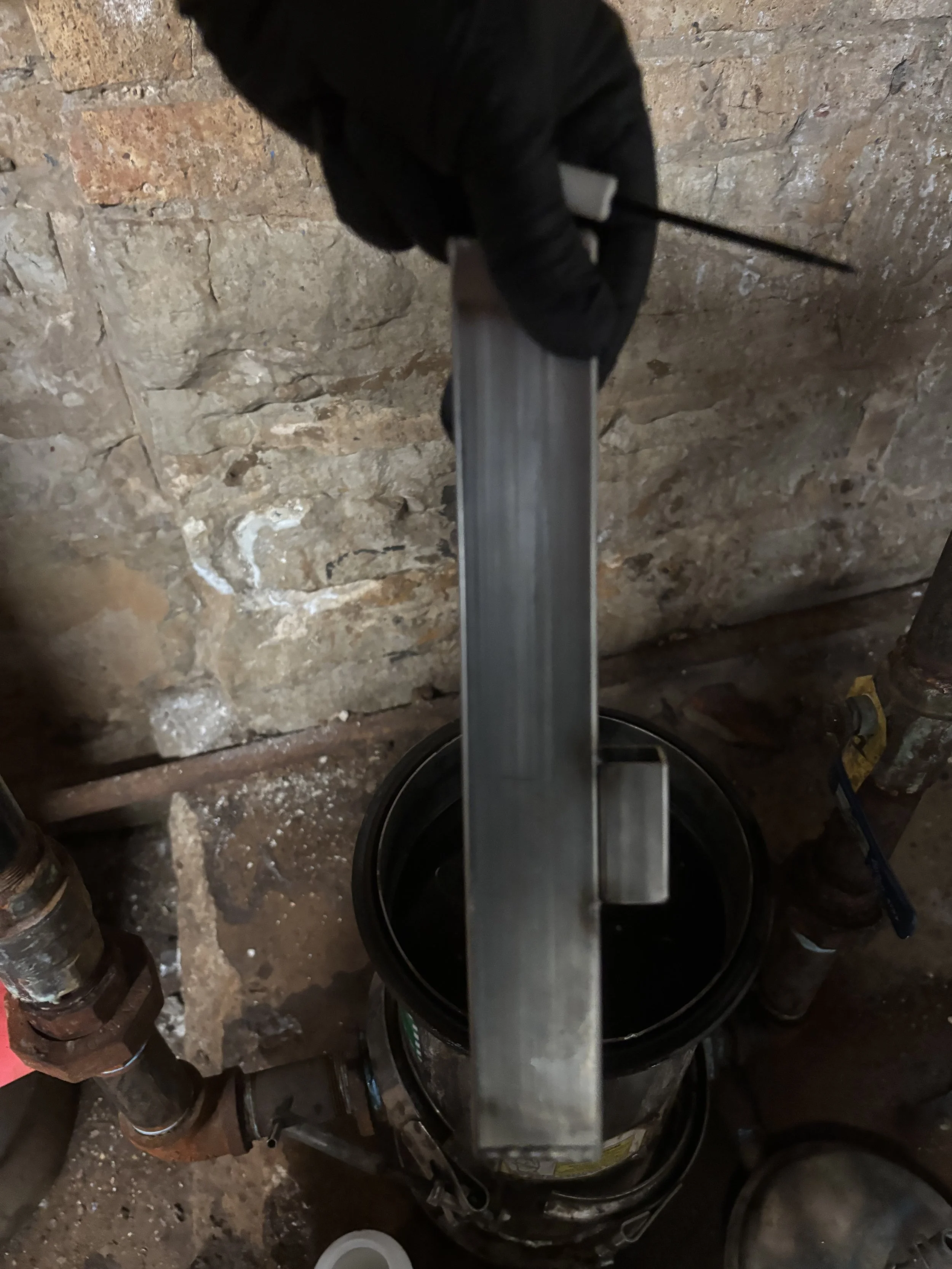
QFP-MAG Bar, Cleaned and Ready to Be Slid Into the Existing Filter Housing
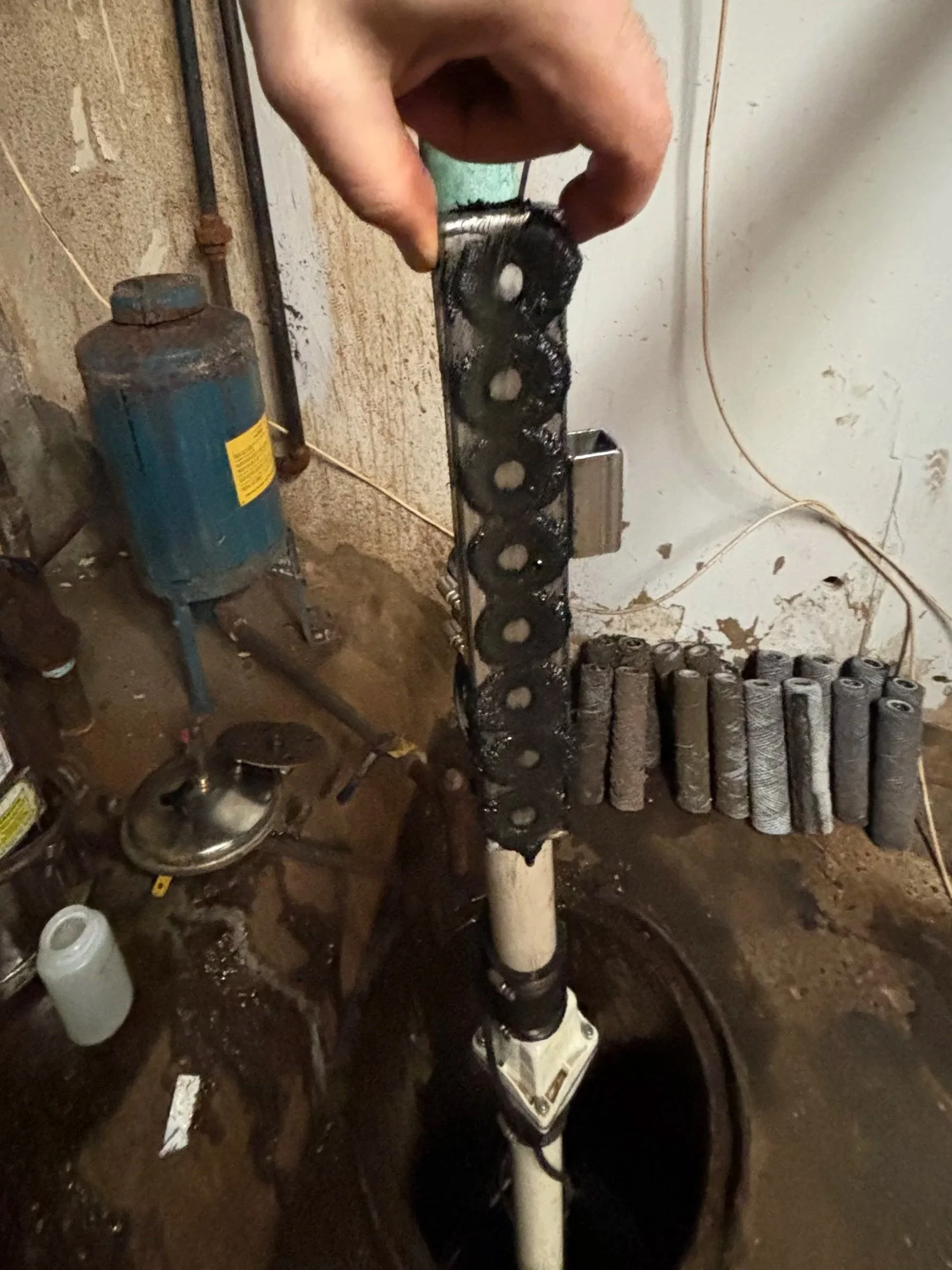
Bar After Being inside Closed Loop
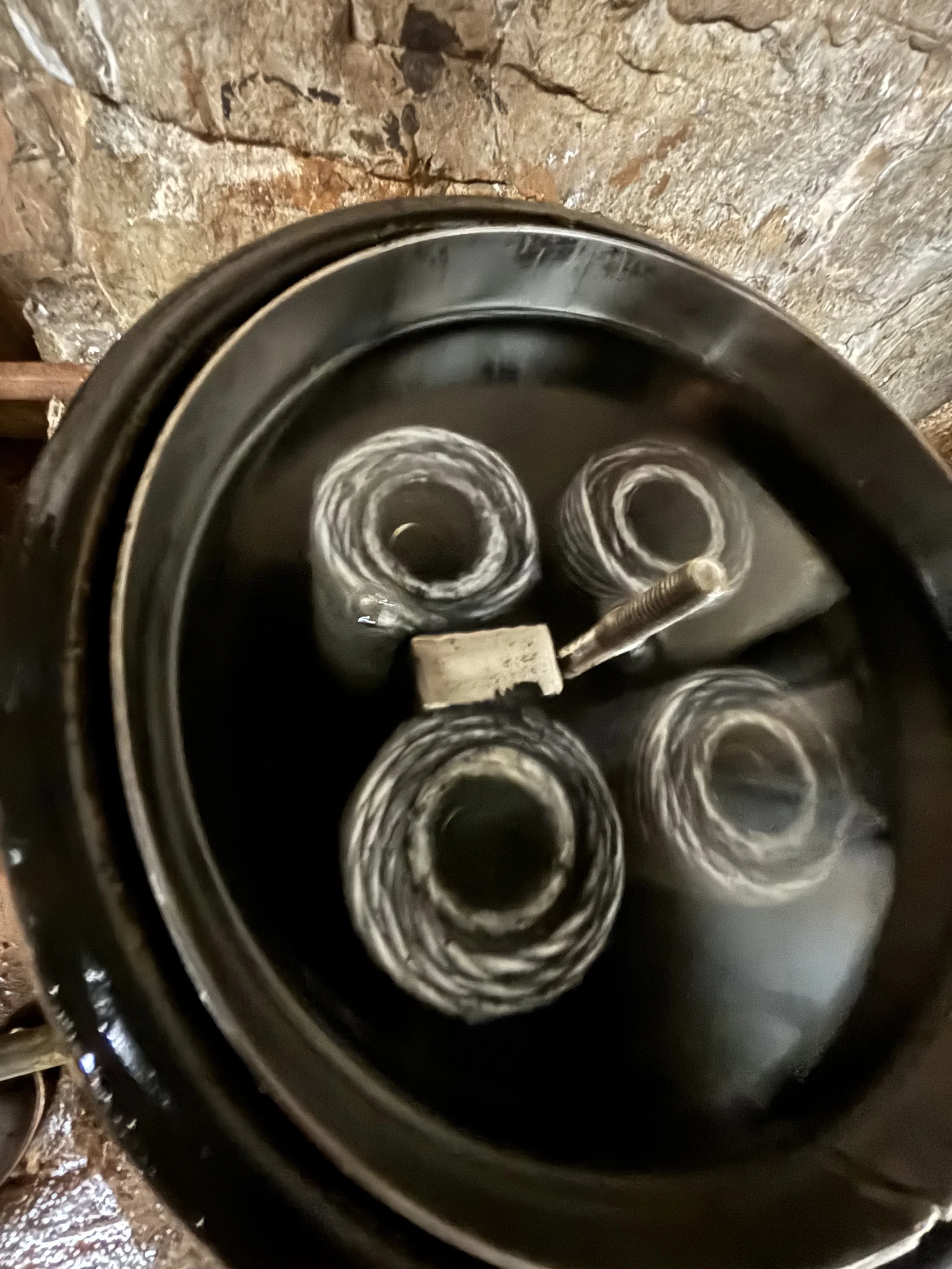
How the bar slides into the filter housing feeder